
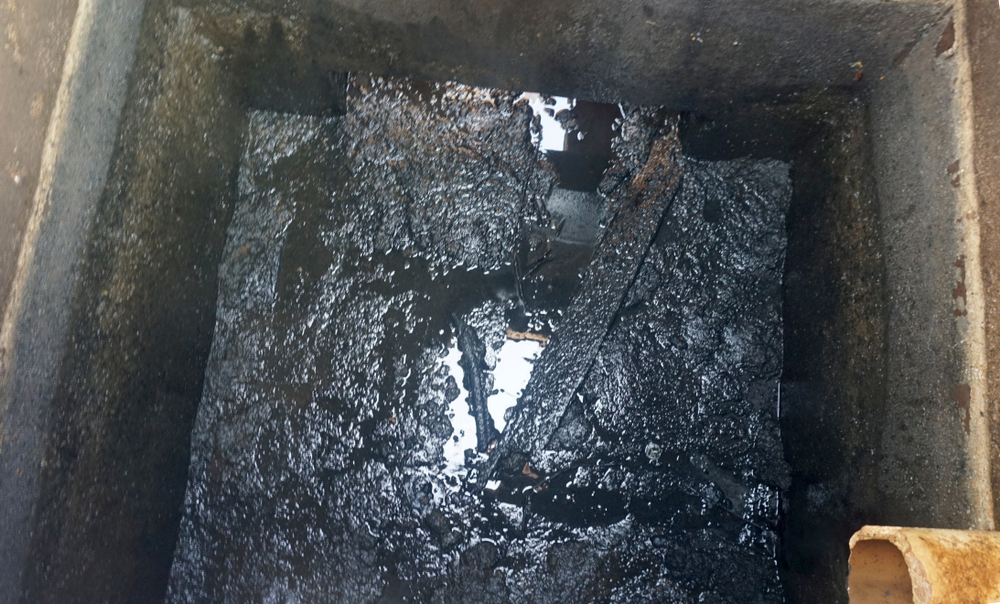
Septic System Dos and Don’ts: Tips for Proper Maintenance
June 25, 2026 1:44 pm Leave your thoughtsIf you own a home or commercial property in Farmington, NH, your septic system works quietly in the background every day. Most property owners rarely think about it until slow drains, foul odors, or a backup create an expensive and stressful problem.
The good news is that many septic issues can be prevented with consistent maintenance and a few smart habits. Understanding what to do, and what to avoid, can help extend the life of your system and reduce the risk of unexpected repairs.
Septic system maintenance starts with proper usage and regular inspections. Homeowners in Farmington and surrounding Strafford County communities can help their septic systems last longer by limiting what goes down drains, conserving water, scheduling routine pumping, and addressing warning signs early. Avoiding common mistakes such as flushing non-biodegradable items or driving over drain fields can prevent costly damage and system failure.
What Property Owners in the Farmington Area Should Know
- Regular septic pumping helps prevent solids from overflowing into the drain field and causing expensive repairs.
- New Hampshire’s seasonal weather patterns, including spring thaw and heavy rainfall, can affect septic system performance.
- Water conservation reduces strain on septic tanks and drain fields throughout Strafford County.
- Keeping vehicles and heavy equipment off septic components helps prevent structural damage.
- Early attention to odors, slow drains, and wet spots can prevent larger septic problems.
Why Septic Maintenance Matters in Strafford County
Septic systems are common throughout Farmington, Rochester, Milton, Alton, and many surrounding rural communities where municipal sewer access is limited. Local soil conditions, groundwater levels, and seasonal weather changes all influence how well a septic system performs.
Properties near the Cocheco River watershed and throughout the Lakes Region area often experience periods of heavy rain and spring snowmelt. Excess moisture can affect drain field performance and make routine maintenance even more important.
At B H Cameron Septic Services LLC, we have been helping residential and commercial property owners since 2005 with septic system installation, maintenance, permitting assistance, and sewer conversion services. After years of working throughout the region, we have seen firsthand how proper maintenance can significantly extend septic system life.
Proper septic care is not complicated, but it does require consistency. The following dos and don’ts can help protect your investment and avoid preventable problems.
Proper septic maintenance includes regular pumping, water conservation, protecting the drain field, and monitoring system performance. Most septic failures result from neglected maintenance, improper usage habits, or delayed repairs. Local weather conditions in southeastern New Hampshire can increase stress on septic systems during wet seasons. Property owners who follow recommended maintenance schedules often experience fewer emergencies and longer system lifespans.
Septic System Realities Across Farmington and Surrounding Communities
- Many homes in rural Strafford County rely entirely on private septic systems.
- Spring thaw can temporarily saturate soils and reduce drain field efficiency.
- Older properties may have aging septic components that require closer monitoring.
- Heavy rainfall can increase groundwater levels around septic systems.
- Commercial properties often require more frequent inspections due to higher wastewater volume.
- Routine maintenance is typically less expensive than emergency repairs or system replacement.
- Permit requirements may apply when modifying or replacing septic systems. The New Hampshire Department of Environmental Services oversees many septic regulations.
If you have questions about your system’s condition or maintenance schedule, we can help evaluate your options and explain what services may be appropriate for your property.
Local Conditions That Affect Septic Systems
Local conditions affect septic systems because soil saturation, seasonal weather, and property characteristics directly influence wastewater treatment performance. In Farmington and nearby communities, spring thaw and extended wet periods can place additional stress on drain fields.
According to the New Hampshire Department of Environmental Services, properly functioning septic systems rely on suitable soil conditions to treat wastewater effectively. Properties with older systems or limited drainage areas may require more frequent monitoring.
We often see maintenance issues develop after prolonged rainfall, especially when homeowners unknowingly add extra stress through excessive water use or poor drain field care.
How Poor Septic Maintenance Impacts Local Properties
Poor septic maintenance can lead to backups, unpleasant odors, drain field failure, and expensive repairs. The financial impact often increases significantly when small problems are ignored.
For homeowners, a failing septic system can affect daily household routines and property value. For commercial properties, system issues can disrupt operations and create sanitation concerns.
In rural areas throughout Strafford County, prompt attention to septic concerns is particularly important because alternatives to onsite wastewater treatment may not be readily available.
Professional Perspective on Septic Care
Professional septic maintenance focuses on prevention rather than emergency response. Most major septic failures develop gradually and provide warning signs before complete system failure occurs.
One common misconception is that septic additives eliminate the need for pumping. In reality, solids still accumulate inside the tank and require periodic removal.
We recommend maintaining accurate records of pumping, inspections, repairs, and any changes to water usage patterns. These records often help identify potential concerns before they become major problems.
Warning Signs Your Septic System Needs Attention
Septic systems often provide warning signs before major failure occurs. Property owners should pay attention to changes in system performance and drainage behavior.
Common warning signs include:
- Slow-draining sinks, tubs, or showers
- Gurgling sounds in plumbing fixtures
- Sewage odors inside or outside the building
- Standing water near the drain field
- Unusually lush grass above septic components
- Frequent plumbing backups
- Wet areas that persist after dry weather
- Sewage surfacing near the drain field
Ignoring these symptoms can increase repair costs and potentially lead to drain field damage.
When to Call a Septic Professional
You should call a septic professional when warning signs appear, when routine maintenance is due, or when planning property improvements that could affect the system. Professional evaluation helps identify problems before they become emergencies.
Property owners can safely monitor water usage, watch for warning signs, and follow recommended maintenance practices. However, inspections, pumping, repairs, permitting assistance, and system design work should be handled by experienced professionals.
Local soil conditions and regulatory requirements make professional guidance especially valuable when considering repairs or upgrades.
If you are noticing slow drains, recurring odors, or concerns about your septic system’s condition, now is a good time to have it evaluated before a larger issue develops.
Common Causes of Septic Problems in This Area
Septic problems in Farmington and nearby communities are most commonly caused by improper flushing habits, excessive water use, lack of maintenance, and drain field damage. Local environmental conditions can make these issues worse.
The most frequent causes include:
- Delayed septic pumping
- Flushing wipes, hygiene products, or other non-biodegradable items
- Excessive household water consumption
- Vehicle traffic over septic components
- Root intrusion from nearby trees
- Saturated soils during wet weather
- Aging septic infrastructure
Addressing these causes early can significantly reduce the risk of major repairs.
Prevention Strategies for Long-Term Septic Health
Preventing septic problems requires routine maintenance, responsible usage habits, and awareness of local environmental conditions. Small preventive actions often provide the greatest long-term benefits.
Recommended practices include:
- Schedule routine septic inspections
- Follow recommended pumping intervals
- Repair plumbing leaks promptly
- Spread out laundry loads throughout the week
- Keep grease and cooking oils out of drains
- Protect drain fields from vehicles and structures
- Direct roof runoff away from septic areas
- Maintain records of all septic services
These steps help improve system reliability and longevity.
What Results Can Property Owners Expect?
Proper septic maintenance helps reduce emergency repairs, improve system reliability, and extend overall system lifespan. While every property is different, routine care generally leads to more consistent performance and fewer unexpected issues.
Many homeowners experience fewer drainage problems and lower long-term ownership costs when maintenance is performed regularly.
Expert Insight
A practical rule for septic maintenance is simple: treat small issues as early warnings rather than waiting for a system failure. Routine inspections and pumping are usually far less disruptive and costly than emergency repairs or drain field replacement.
Common Septic Maintenance Mistakes
Mistakes in septic care often lead to preventable system problems. Understanding these errors can help property owners avoid unnecessary expenses.
- Mistake: Flushing wipes.
Consequence: Pipe clogs and tank issues.
Better approach: Flush only approved materials. - Mistake: Ignoring pumping schedules.
Consequence: Excess solids accumulation.
Better approach: Schedule routine service. - Mistake: Driving over drain fields.
Consequence: Crushed pipes and soil compaction.
Better approach: Keep traffic away from septic areas. - Mistake: Excessive water use.
Consequence: Overloaded treatment capacity.
Better approach: Practice water conservation.
Common Local Scenario
A common local scenario involves a homeowner noticing slow drains after a period of heavy spring rainfall. Additional water from multiple laundry loads and increased household activity places extra stress on an already saturated drain field.
In many cases, a professional inspection identifies maintenance needs before significant damage occurs. Early intervention often prevents more extensive repairs and helps restore proper system performance.
Septic Services That Help Prevent Problems
Septic maintenance services help prevent problems by identifying issues early and keeping systems operating efficiently. Regular inspections, pumping, system design assistance, permitting support, and repair services all play important roles in long-term system health.
We provide residential and commercial septic services throughout the region, including assistance with new installations, routine maintenance, and sewer conversion projects when appropriate.
If you want to better understand your septic system’s condition or maintenance needs, we can help explain your options and recommend an appropriate plan.
Comparing DIY Monitoring and Professional Service
DIY monitoring is useful for identifying warning signs, but professional service is necessary for inspections, pumping, repairs, and system evaluations. Both approaches play important roles in protecting your septic investment.
Homeowners should routinely observe system performance and practice proper septic habits. Professional technicians provide the specialized equipment and expertise needed to assess internal system conditions and perform maintenance safely.
Areas We Serve
We proudly serve Farmington and surrounding communities throughout Strafford County and nearby areas. Our experience with local soil conditions, permitting requirements, and regional septic challenges allows us to provide practical solutions tailored to the needs of area property owners.
Since 2005, we have worked with both residential and commercial customers throughout the surrounding counties.
The Cost of Ignoring Septic Maintenance
Ignoring septic maintenance increases the likelihood of backups, repairs, drain field damage, and system replacement costs. Delayed action often turns manageable maintenance needs into more expensive projects.
Routine service helps reduce risk and provides greater confidence that the system will continue operating as intended. Addressing concerns early is usually the most cost-effective approach.
If you suspect your septic system may need attention, scheduling an evaluation now can help prevent larger issues later.
FAQ
How often should a septic tank be pumped in Farmington, NH?
Septic tank pumping frequency depends on household size, water usage, and tank capacity. Many residential systems benefit from inspections every few years to determine whether pumping is needed.
Can heavy rain affect my septic system?
Yes. Heavy rainfall can saturate soil around the drain field and reduce its ability to process wastewater efficiently, particularly during spring months in southeastern New Hampshire.
What should never be flushed into a septic system?
Wipes, paper towels, hygiene products, grease, oils, chemicals, and other non-biodegradable materials should never be flushed because they can cause clogs and system damage.
Are septic additives necessary?
Most septic systems do not require additives when properly maintained. Regular inspections and pumping remain the most effective maintenance practices.
What causes septic odors outside?
Outdoor septic odors may result from venting issues, system overload, drain field problems, or maintenance needs. A professional inspection can help determine the cause.
How do I know if my drain field is failing?
Common signs include standing water, persistent wet spots, sewage odors, and recurring drainage problems. These symptoms should be evaluated promptly.
Can commercial properties benefit from routine septic maintenance?
Yes. Commercial systems often handle greater wastewater volume and may require more frequent monitoring to maintain reliable performance.
When should I call a professional?
You should call a professional whenever warning signs appear, maintenance is due, or you have concerns about system performance or future upgrades.
B H Cameron Septic Services LLC understands the unique septic challenges faced by homeowners and businesses throughout Farmington and the surrounding counties. With decades of combined field experience and a commitment to dependable service, we help property owners protect their systems and avoid unnecessary problems.
Protect Your Septic System with Professional Guidance
Regular maintenance can help extend the life of your septic system and reduce the risk of costly repairs. Whether you need an inspection, routine maintenance, design assistance, permitting support, or septic service, our team is here to help.
Categorised in: Septic Maintenance
This post was written by admin